Living in Santa Teresa, Costa Rica: The Expat Guide to the Surf Town Everyone Is Talking About
Living in Santa Teresa means world class surf, a tight expat community, and prices that have moved fast. An honest guide to daily life, costs, and who the town actually suits.

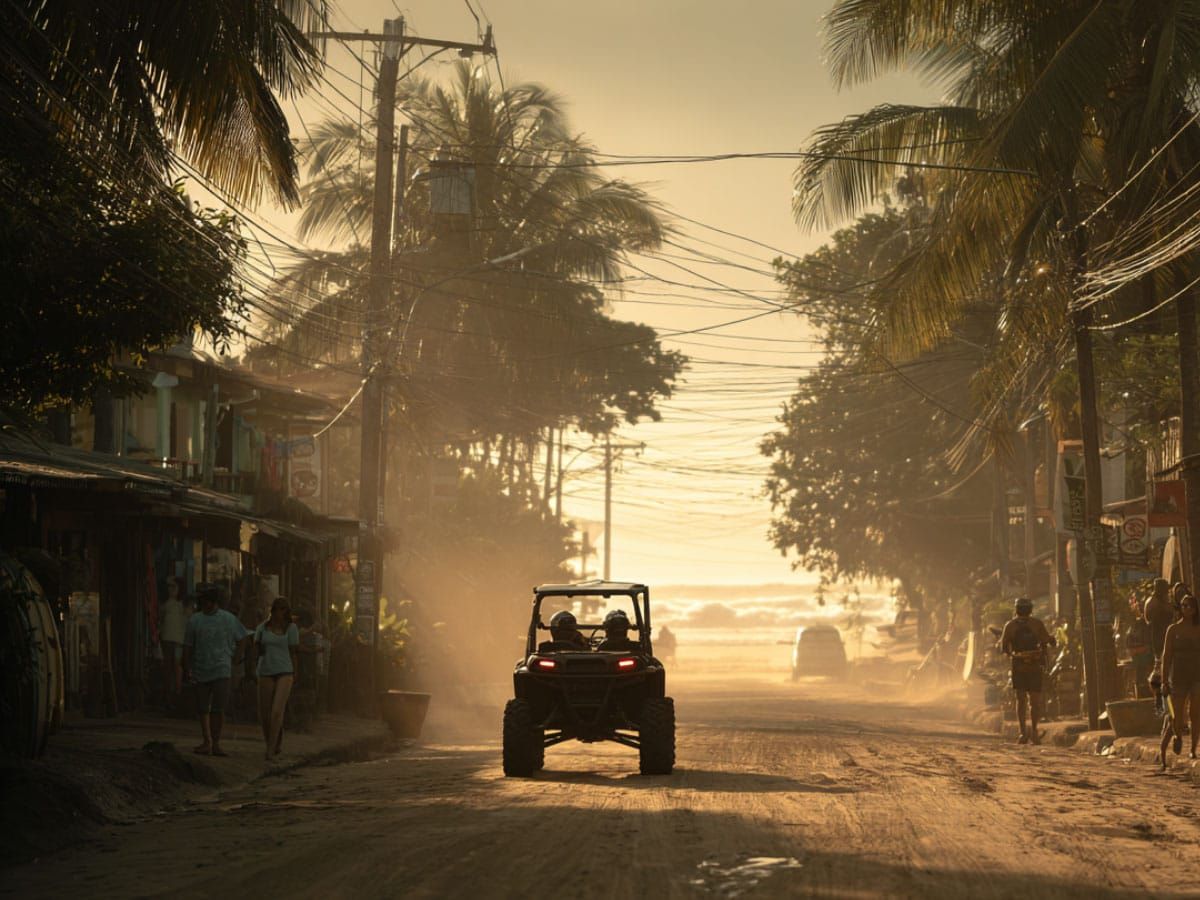
Santa Teresa has become the most talked about beach town in Costa Rica among foreign buyers in the past three years, and the reputation is largely deserved. It is genuinely beautiful, the surf is excellent, and the community that has built up around it is one of the more interesting mixes of people you will find anywhere on the Pacific coast. It has also become expensive, the road in is still a commitment, and the version of Santa Teresa that exists in most people's imagination before they arrive is somewhat different from the one they encounter when they get there.
I want to give you the honest version.
In this article
What Santa Teresa actually isThe surf and outdoor lifeCommunity and who lives hereCost of livingGetting there and getting aroundServices and infrastructureSchools and familiesWho Santa Teresa is right forFAQWhat Santa Teresa Actually Is
Santa Teresa sits at the southern tip of the Nicoya Peninsula, connected to the rest of Costa Rica by roads that have improved but remain genuinely rough in sections, particularly from the ferry crossing at Paquera or the inland route through Cobano. The town itself is essentially one long road running parallel to the beach, with restaurants, surf shops, yoga studios, and a growing number of well-designed residential and hospitality projects lining both sides. There is no town center in the traditional sense. It is a linear settlement, and you move through it rather than gathering in it.
Mal Pais to the south is quieter and more residential. Playa Hermosa to the north is even more so. When people talk about Santa Teresa they usually mean the main strip, which is where most of the social life, the food, and the surf access is concentrated.

The Surf and Outdoor Life
The surf at Santa Teresa is the primary reason most people come and the primary reason many stay. It is a powerful beach break that works across a wide range of swell, with consistent offshore winds in the morning and enough variety along the coast to find something at most surf levels. It is not a beginner wave in the traditional sense, but there are sections that work for less experienced surfers and a strong community of instructors and surf schools for those who want to learn properly.
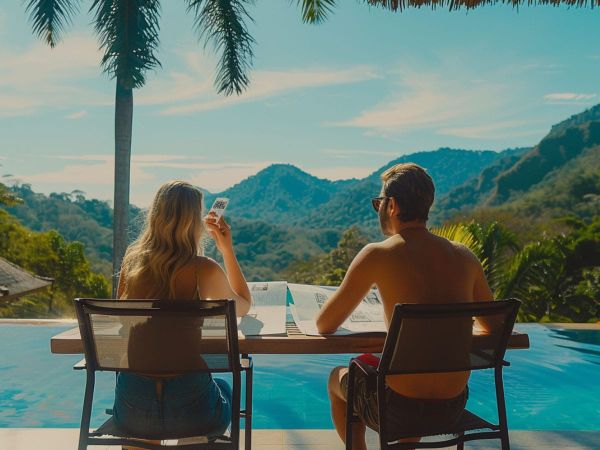
Beyond surfing, the outdoor life in Santa Teresa is one of the best anywhere on the coast. The beaches north and south of the main town are extraordinarily beautiful. There are horses on the beach in the early morning. The jungle comes down close to the water in sections. People run the main road before the heat arrives, practice yoga at dawn, and spend afternoons on boards or in the water. If you want a daily life built around physical activity and natural beauty, Santa Teresa delivers at a very high level.
Community and Who Lives Here
Santa Teresa has one of the most cosmopolitan expat communities in Costa Rica. Brazilians, Argentines, Europeans, North Americans, Israelis. The mix is more internationally varied than Nosara, which skews heavily toward the US and Canada, and the social energy reflects that. People here tend to be younger than the average expat community in other Costa Rica towns, more transient, and more oriented toward the surf and social life than toward settling permanently.
The permanent community of long-term residents does exist and is warm, but the town has a higher turnover of people than somewhere like Nosara or Atenas. It is a place many people come to for a season and some stay for years. The social scene is active and the restaurants are genuinely good. There is nightlife, though it is nothing extreme. The overall character is young, active, international, and oriented outward.
Cost of Living: Honest Numbers
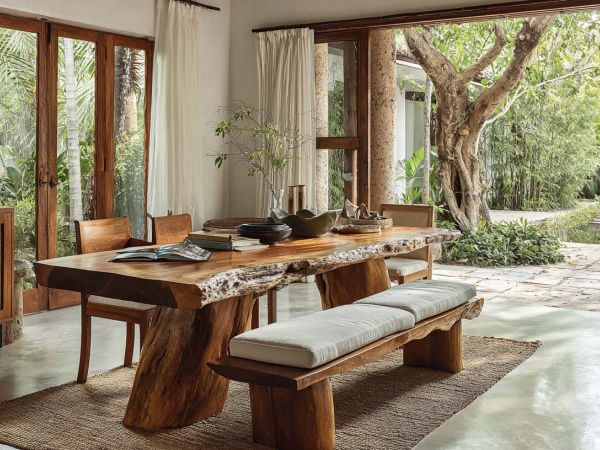
Santa Teresa is expensive. This has been true for several years and the trajectory has not reversed. Long-term rental for a modest one to two bedroom in the main area runs $1,500 to $2,500 per month. Anything with a pool, an ocean view, or a modern finish goes considerably higher. To buy, entry-level condos near the surf break start at $450,000 to $500,000. Well-located contemporary homes run $1.2 million and above, and luxury compounds with architectural distinction command $2 million or more. Active listings in Santa Teresa averaged $1.55 million through 2025, confirming it as Costa Rica's most expensive beach market by listing price.
Groceries are manageable at the local mini-supers and the weekend market, though the selection is limited and anything imported costs more than you would expect. Eating out at the better restaurants runs $50 to $80 for two. A coffee at one of the good cafés costs what it would in a US city. The general cost of living for a couple comfortable with the lifestyle runs $4,000 to $6,000 per month depending on housing.
Getting There and Getting Around
Getting to Santa Teresa from San José takes three and a half to four hours if you take the ferry from Puntarenas, which most people consider the more reliable option. The inland route through Cobano is longer and harder on a vehicle. The roads within the Mal Pais and Santa Teresa corridor have improved but are not paved throughout, and a 4x4 is strongly recommended. The local airstrip receives charter flights and some commercial prop service, which is how many regular visitors and part-time residents manage the access problem.
Within the town, getting around means a car, a motorbike, or an ATV. Walking the main strip is possible. Getting between Mal Pais, Santa Teresa, and Playa Hermosa without a vehicle is inconvenient.
Free. No spam. Unsubscribe anytime.
Services and Infrastructure
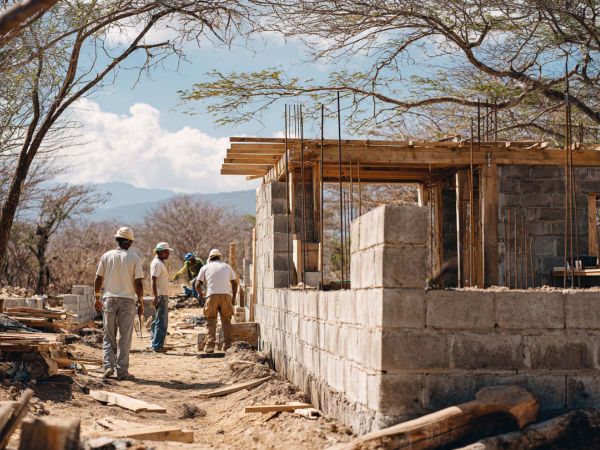
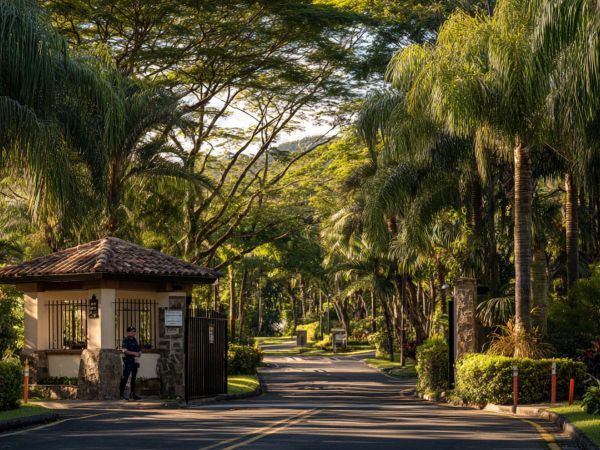
Santa Teresa's infrastructure has grown substantially but it has not caught up with the demand that the past few years of development have created. Internet is generally adequate for remote work in the main area, with fiber reaching some properties and cable internet more broadly available. There are pharmacies, a small clinic, a bank, and the basic commercial services a small tourist town supports.
For anything serious, the nearest hospital is in Puntarenas, which is a ferry ride and a drive away. San José for specialist care is the better part of a day. Power outages happen. Water pressure varies. These are not dealbreakers for the right person, but they are real features of daily life that the Instagram version of Santa Teresa does not include.
Schools and Families
Santa Teresa is not well-served by schools. There are options for younger children, including some bilingual programs, but secondary education in the area is very limited. Families with older children face the same choice that confronts parents across most remote Pacific coast towns: boarding school, remote schooling, or relocation.
The town is genuinely family friendly in character. The beach is safe, the community is watchful, and the outdoor life is excellent for children. Several families have made it work and love it. The school question is the one that determines whether it remains workable as children get older.
Who Santa Teresa Is Right for
Santa Teresa is right for people who came for the surf and found everything else along with it. For younger buyers and investors who want a property in a market with strong rental demand and real lifestyle appeal. For remote workers who can manage with decent but not flawless internet and who want a social life built around the beach rather than a city. For people who are specifically drawn to the particular energy of the town and who find the access challenges a worthwhile tradeoff for what they get in exchange.
It is probably not right for families whose school situation is not resolved. Not right for people who need easy access to urban services without planning and driving. Not right for people who want a more integrated experience with Costa Rican daily life, because Santa Teresa's main strip is as international as anywhere in the country.
For comparison with other Pacific coast towns, see our guides to living in Nosara and living in Uvita. For the investment side of Santa Teresa, see our best areas to buy land guide.
Frequently Asked Questions About Living in Santa Teresa
How expensive is it to live in Santa Teresa, Costa Rica?
Santa Teresa is one of the most expensive places to live on the Costa Rica Pacific coast. Long-term rental for a one to two bedroom runs $1,500 to $2,500 per month, with pool and ocean view properties going significantly higher. Total monthly costs for a couple living comfortably run $4,000 to $6,000 depending on housing quality and lifestyle.
Is Santa Teresa good for families?
Santa Teresa is family friendly in character but limited in school infrastructure. There are bilingual options for younger children and the outdoor environment is exceptional for kids. Secondary school options in the area are insufficient for most expat families, which is the most common reason families who love the town eventually relocate.
How do you get to Santa Teresa from San José?
The most reliable route is the ferry from Puntarenas to Paquera, followed by a drive down the Nicoya Peninsula, totaling three and a half to four hours under normal conditions. An inland route through Cobano is possible but longer and harder on vehicles. The local airstrip receives charter and some commercial prop service for those who prefer to avoid the drive.
Is the internet good enough for remote work in Santa Teresa?
Internet in Santa Teresa has improved substantially and is adequate for most remote work in the main area. Fiber is available at some properties, cable internet more broadly. Power outages occur more frequently than in the Central Valley and a UPS plus cellular backup is worth having. Verify coverage at any specific property before committing.
What is the surf like in Santa Teresa?
Santa Teresa is one of the best surf destinations on the Pacific coast. The beach break is powerful and consistent, working across a wide range of swell. It favors intermediate and experienced surfers but has sections accessible to beginners with instruction. Offshore winds in the morning are reliable. The surf community is active and well-organized around local schools and surf culture.

Laura Whitfield moved to Costa Rica from the US in 2020 with her husband and two kids. She writes for Build Tropical about expat life, moving abroad, and what daily life in Costa Rica actually looks like when the honeymoon phase is over.