Is the Guanacaste Construction Boom Over? What the Data Shows in 2026
Guanacaste real estate in 2026: where the boom has stalled, where prices are holding, and why buyers are looking south to the Nicoya Peninsula.

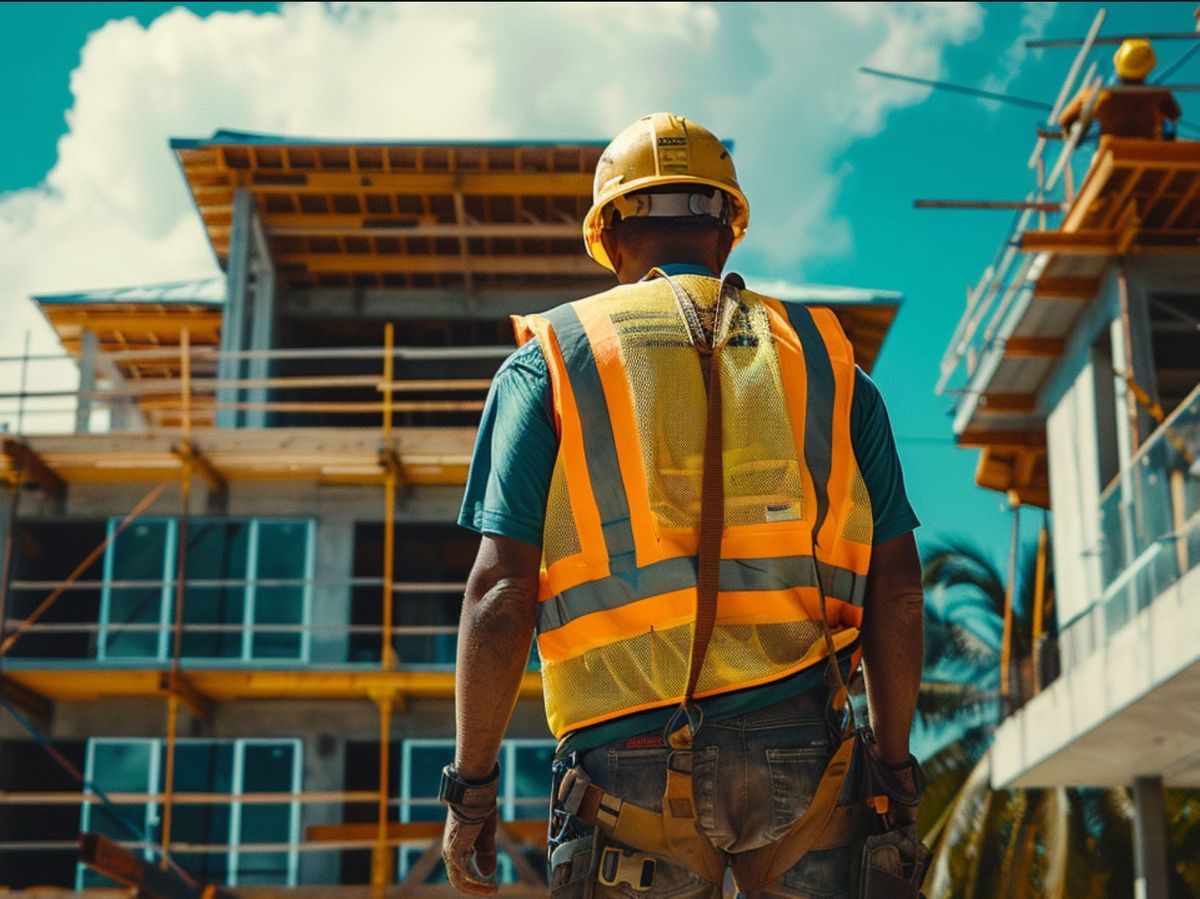
The question I get most often about the Guanacaste real estate market right now is some version of: is it still worth getting into? The honest answer is that it depends which part of Guanacaste you mean, which end of the market you are looking at, and what you are trying to do with the asset. "Guanacaste" covers a lot of ground — Liberia airport to the northern tip of the Nicoya Peninsula, from Tamarindo and Flamingo down through Nosara and Samara — and different pockets of that market are in genuinely different places in 2026. Some have stalled. Some are holding. And some buyers, watching the established markets price out rational investment, have started looking south along the Peninsula to markets that the Guanacaste boom pushed into relevance but never fully absorbed.
I want to be direct about what this article is: a read on a market I watch and invest in, not a pitch for Costa Rica real estate in general. There are parts of Guanacaste right now where I would not put money. There are parts where the fundamentals still make sense.
In this article
What the Guanacaste boom wasWhere prices are nowThe Airbnb saturation questionInfrastructure as a value driverThe pivot south to NicoyaWhere I see the opportunityFAQ
What the Guanacaste Boom Actually Was
From roughly 2020 through 2023, Guanacaste experienced one of the strongest real estate runs in Costa Rica's history. The drivers were familiar: pandemic-era remote work freed US and Canadian buyers from geographic constraints, Liberia airport had significantly expanded its direct flight connections, and the combination of lifestyle appeal and perceived investment potential in vacation rentals sent demand sharply upward. Properties that had been sitting on the market for two or three years sold in weeks. Prices in Tamarindo and Flamingo moved 20 to 35 percent in some segments within 18 months.
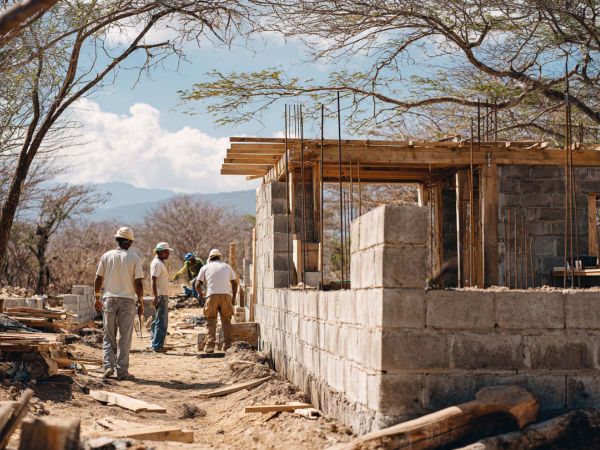
What also got built during the boom was a significant amount of speculative inventory. Developers who had been sitting on entitled land started construction. Smaller investors built two-bedroom villas expressly for short-term rental. By the time the first wave of that supply came online in 2022 and 2023, the demand picture had shifted — the buyer who was fleeing a city in 2020 was no longer in the same emotional state, and interest rates in the US and Canada had moved in ways that changed the calculus for leveraged buyers. The boom did not collapse, but it definitively moderated.

Where Guanacaste Prices Are in 2026
Tamarindo and Flamingo are the most liquid and most watched sub-markets in Guanacaste, and they tell different stories. In Tamarindo, the mid-market — call it $250,000 to $500,000 for a two to three bedroom property — is seeing longer days on market than the peak period, more price negotiations than sellers would have accepted in 2021 and 2022, and a buyer who is genuinely more cautious and better-informed. A two-bedroom condo in a managed complex that would have sold in 45 days in 2022 is now sitting 90 to 150 days in some cases. Prices have not collapsed — they are broadly holding at post-boom levels — but the idea that anything listed will sell quickly at ask is no longer true.
The upper end of the Tamarindo and Flamingo market — architect-designed homes above $800,000 — has held better. There are fewer properties in that segment, the buyers are less leveraged, and the lifestyle appeal at that price point is not primarily a yield calculation. What has softened is the mid-range investment buy: the two-bedroom rental unit purchased primarily on the assumption that Airbnb income would service costs and generate yield.
Nosara and Samara are on a different trajectory. Both are smaller, more constrained by environmental zoning, and have a buyer profile that is less purely investment-oriented. Nosara in particular has continued to appreciate because the supply of buildable land near the beach is genuinely limited and demand from lifestyle buyers remains strong.
The Airbnb Saturation Question
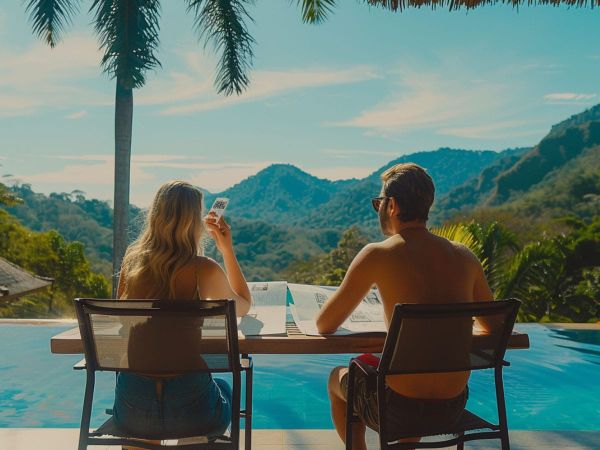
The Airbnb story in Guanacaste's most developed markets needs to be examined with real numbers rather than projections. The growth in short-term rental supply has been substantial. In the greater Tamarindo area alone, the number of active Airbnb listings roughly doubled between 2020 and 2024. Supply growth of that magnitude, in any rental market, puts downward pressure on occupancy rates and average daily rates unless demand is growing at the same pace. Demand has grown, but not at that rate.
What that means in practice: properties projecting 70 to 75 percent annual occupancy during the sales process are frequently achieving 50 to 60 percent when the management fees, green season softness, and platform competition are factored in. A property running 65 percent blended annual occupancy at current average daily rates in Tamarindo, after a 25 percent management fee and operating costs, generates a net yield in the 4 to 6 percent range on a fully-priced recent purchase. That is not a bad yield, but it is not the 8 to 12 percent that some sellers and developers were projecting at the peak.
Infrastructure as a Value Driver
The most straightforward positive case for Guanacaste real estate right now centers on infrastructure, specifically the Liberia airport corridor and the road improvements that have followed expanded flight access. Liberia's Daniel Oduber Quirós International Airport now receives direct service from a significantly broader range of US and Canadian cities than it did five years ago. Direct access from secondary US markets — not just Miami and Houston — materially changes who can consider Guanacaste without the San José connection. That access is a real demand driver and it has not fully run its course.
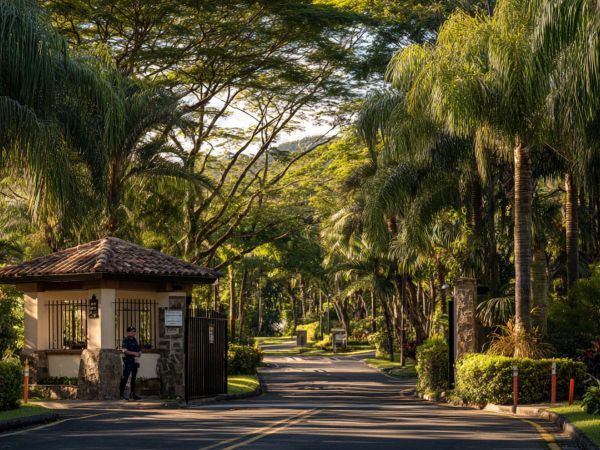
The areas most directly positioned to benefit from continued airport-related growth are in the northern Guanacaste corridor: Papagayo, Playas del Coco, Ocotal, and the developments between Liberia and the coast. These are less Airbnb-saturated than Tamarindo, have higher-end buyer profiles, and are adding infrastructure — roads, utilities, commercial services — that tends to support value.
The Pivot South: Nicoya Peninsula
The buyers worth watching in the past two years are not the ones doubling down on Tamarindo — they are the ones who looked at Guanacaste pricing and competition and turned south, to the Nicoya Peninsula markets that the Guanacaste boom helped bring into focus but never fully absorbed.
Santa Teresa, Mal Pais, Playa Hermosa, and Montezuma — the string of markets at the southern tip of the Nicoya Peninsula — operate on a different dynamic. Santa Teresa in particular has some of the most beautiful beaches in the country, a surf and wellness buyer profile that commands strong seasonal rates, and a supply constraint that Tamarindo has long since lost: the road access is still limited enough that speculative construction has not blanketed the market the way it has farther north.
Prices in Santa Teresa have moved. A well-located villa in the Mal Pais area now starts above $500,000 and runs well past $1 million for anything with strong ocean exposure. But the rental market in Santa Teresa is less saturated than Tamarindo's, the buyer profile tends toward the higher end, and the average daily rates for quality properties remain strong relative to what comparable units in Guanacaste are achieving.
Playa Hermosa, just north of Santa Teresa, is quieter and has a beach that genuinely earns its reputation. Land prices are lower than Santa Teresa for comparable distance from the water. Montezuma, at the southern tip of the Peninsula, is the most speculative of the three — a longer-hold thesis on peninsula-wide trajectory continuing south.
Where I See the Opportunity in 2026
In Guanacaste proper, I am most interested in the Liberia airport corridor and the northern coast markets that have not yet been as thoroughly saturated as Tamarindo. Properties in the Papagayo and Playas del Coco area, bought at a price that reflects current market reality rather than peak enthusiasm, can still make sense as long-hold investments with rental income as a component of the return rather than the whole story.
I am skeptical of Tamarindo mid-market investment buys at current ask prices where the investment thesis depends on Airbnb yields that the market has already compressed. That does not mean nothing in Tamarindo makes sense — it means you have to be more careful than the 2020 and 2021 buyers had to be, and you should stress-test the occupancy projections against what comparable properties have actually done rather than what they are projected to do.
On the Nicoya Peninsula, Santa Teresa is real and the investment case is stronger than its access challenges suggest. The difficulty of getting there is part of why the market is not yet saturated. That changes — road improvements and increased flight access to the local airstrip are both in process — and when it does, some of the scarcity premium that underpins current Santa Teresa pricing will adjust. That is not a reason to avoid the market; it is a reason to understand what you are buying and at what stage of the development curve.
For a broader look at where to put money in Costa Rica real estate, see our best areas to invest guide and our breakdown of Airbnb rental income by region.
Frequently Asked Questions About Guanacaste Real Estate in 2026
Is Guanacaste real estate still a good investment in 2026?
It depends on the sub-market and the investment thesis. The Liberia airport corridor and northern Guanacaste markets with strong infrastructure fundamentals still present viable opportunities for long-hold investors. The Tamarindo mid-market is more competitive and Airbnb yields have compressed; buyers there need to underwrite conservatively. The Nicoya Peninsula markets to the south — Santa Teresa, Mal Pais — present a stronger relative case for new capital entering the Pacific coast market.
What happened to Guanacaste property prices after the 2020 to 2023 boom?
Prices in the most-developed markets broadly held at post-boom levels rather than declining significantly. The change has been in market velocity: properties that sold in weeks at the peak now sit for 90 to 150 days in many cases, and sellers are negotiating more than they were in 2021 and 2022. The upper end of the market has held better than the mid-market investment segment.
How does Airbnb saturation in Guanacaste affect investment returns?
In Tamarindo and the most developed Guanacaste markets, short-term rental supply has roughly doubled since 2020 while demand has not grown at the same pace. The result is compressed occupancy rates and average daily rates for mid-market properties. Net yields after management fees and operating costs on recent purchases in this segment run 4 to 6 percent, below what was projected during the peak.
Why are some buyers looking at Santa Teresa instead of Guanacaste?
Santa Teresa and the Southern Nicoya Peninsula offer strong lifestyle fundamentals, beaches among the best in the country, a less saturated short-term rental market, and a buyer profile that sustains strong average daily rates. The access challenges — road quality, limited commercial air service — have historically limited speculative development, creating supply constraints that support pricing. Buyers skeptical of Guanacaste Airbnb saturation are finding better relative value on the Peninsula.
What does Guanacaste infrastructure investment mean for property values?
Expanded direct flight connections through Liberia airport are the most significant infrastructure driver for northern Guanacaste values. Increased US and Canadian city connections broaden the accessible buyer and renter pool materially. Properties in the airport corridor and northern coast markets that benefit directly from this access have the clearest infrastructure-driven value argument.

James Caldwell is a real estate investor and writer based on the Pacific coast of Costa Rica. He spent fifteen years in commercial real estate in Canada before shifting his focus to the Costa Rica market. He writes for Build Tropical about the numbers behind property decisions — the ones that hold up and the ones that do not.