Construction Timeline in Costa Rica: What to Expect From Start to Finish
The difference between a 9-month project and a 16-month project is rarely the construction itself. It is what happened before construction started.

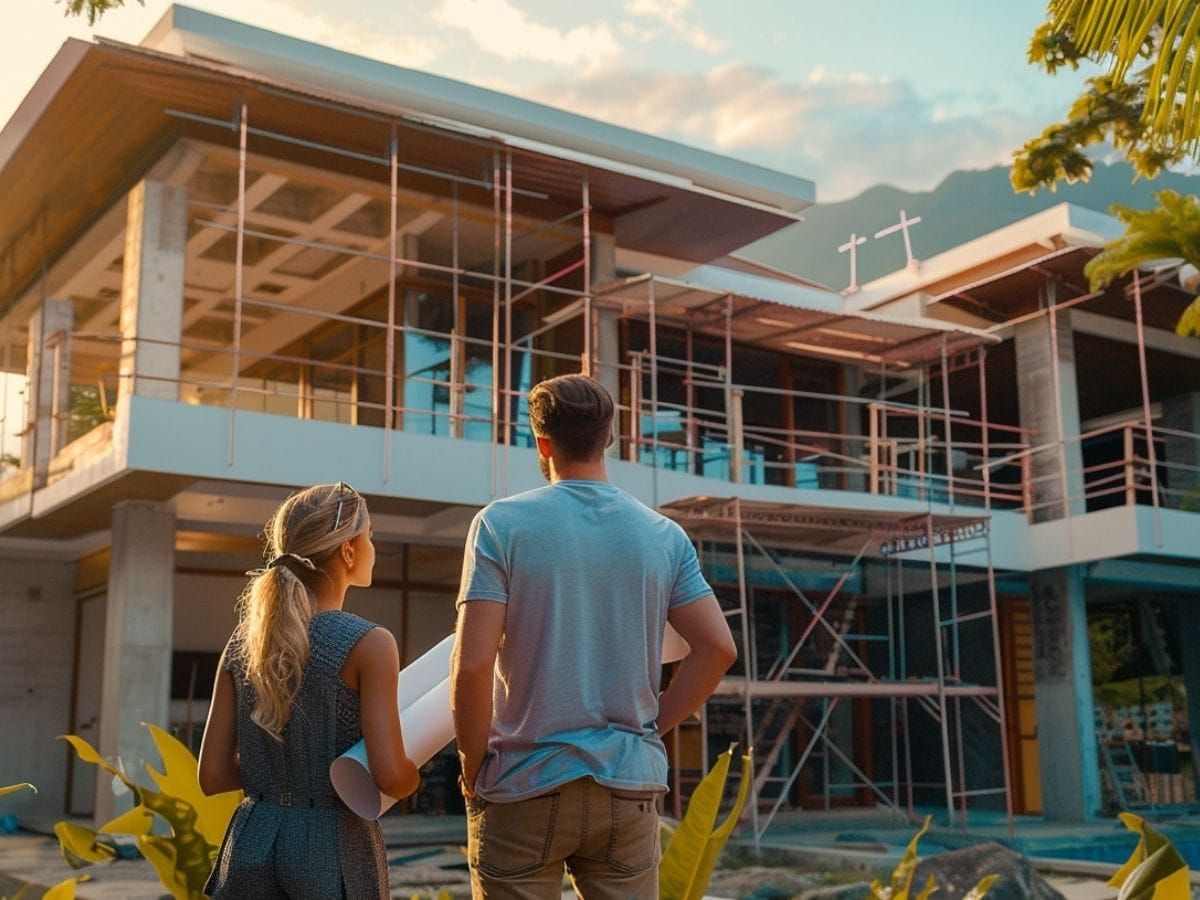
The question every client asks after "how much" is "how long." The answer for a standard residential project in Costa Rica is 6 to 10 months of construction, plus 3 to 6 months of pre-construction (design, permits, contractor selection). That is 9 to 16 months from the first meeting with your architect to the day you get the keys.
Those numbers are real, but they are ranges for a reason. The difference between a 9-month project and a 16-month project is rarely the construction itself. It is what happened before construction started, and how many decisions were left unresolved when the first block was laid.
In This Guide
- Pre-construction phase
- Foundation
- Walls and structure
- Roof
- Mechanical rough-in
- Interior finishes
- Exterior and site
- Punch list
- What causes delays
- How to stay on schedule
- FAQ
Pre-Construction: The Phase Nobody Counts (3 to 6 Months)
Most clients start counting the timeline from the day construction begins. The real timeline starts months earlier.
Architect selection and design takes 2 to 4 months. This is the phase where the house is designed, the site is analyzed, the orientation is set, and the construction drawings are produced. Rushing this phase is the single most expensive mistake you can make because incomplete drawings create change orders during construction. For more on what the architect does, see our guide on architect fees in Costa Rica.
Permits and institutional approvals take 2 to 4 months running parallel with design. CFIA registration, municipal permit, water and electricity availability letters, and INS insurance. The water availability letter from AyA is the current bottleneck, taking 3 to 6 months in some areas. For the full permit breakdown, see our guide on building permits in Costa Rica (coming soon).
Contractor selection takes 2 to 4 weeks of receiving proposals, checking references, and negotiating the contract. Do not rush this. The contractor you choose determines the quality and the timeline of everything that follows. See our guide on hiring a contractor in Costa Rica.

Foundation (2 to 4 Weeks)
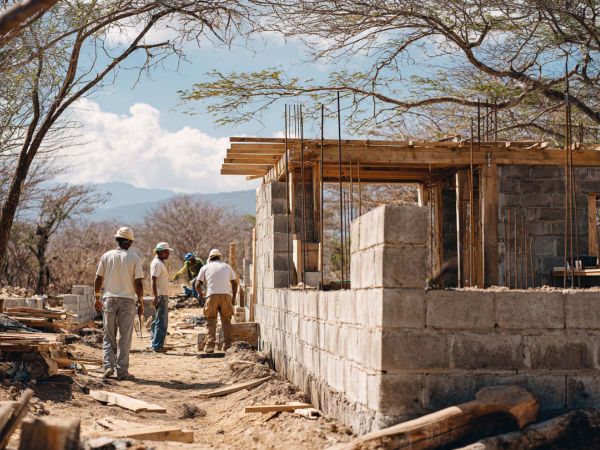
Site preparation comes first: clearing vegetation, grading, setting up temporary utilities and the bodega (material storage). Then excavation for the foundation, installation of rebar per the structural engineering drawings, formwork, and the concrete pour.
The foundation is the most weather-sensitive phase. A heavy rain the day before a pour can flood the excavation and delay the work by days. During rainy season, we schedule pours for the morning when conditions are typically dry and have contingency days built into the schedule.
The architect inspects the foundation rebar before the pour. This is a critical checkpoint. Once the concrete is poured, the rebar is encased and invisible. If the spacing is wrong or the grade is incorrect, the error is permanent.
Walls and Structure (4 to 8 Weeks)
This is the phase where the house becomes visible. Block laying (or steel frame erection), columns, beams, lintels, and the structural skeleton of the house take shape.
For concrete block construction, a crew of 4 to 6 masons can lay the walls of a 150 to 200 square meter house in 4 to 6 weeks. Steel frame construction is faster: the wall panels go up in 2 to 3 weeks because the framing is prefabricated off-site.
During this phase, the electrical conduit and plumbing rough-in for the walls happens. The electrician lays conduit inside the block walls (or through the steel stud cavities) before the walls are finished. Getting this wrong means chasing walls later, which is expensive and messy.
Roof (2 to 3 Weeks)
The roof structure (steel trusses or beams) goes up first, followed by the roofing material. Once the roof is on, the house is "dried in," meaning it is protected from rain. This is a significant milestone because interior work can now proceed regardless of weather.
Roof installation is one of the phases least affected by rain because the work happens above, and the crew can work in light rain. Heavy downpours stop work on any outdoor phase.
Mechanical Rough-In: Electrical and Plumbing (2 to 4 Weeks)
With the roof on, the mechanical trades move inside. Electrical wiring is pulled through the conduit that was placed during wall construction. Plumbing supply and drain lines are installed. AC pre-installation (refrigerant lines, drain lines, electrical connections) happens if the project includes air conditioning.
This is the last phase before the walls are finished (plastered, painted, or covered). The architect inspects the rough-in to verify that everything matches the drawings: outlet locations, switch heights, fixture connections, drain locations. Once the walls close up, changes become expensive.
Interior Finishes (4 to 8 Weeks)
This is the longest and most variable phase, and it is where projects either stay on schedule or blow past it.
Tile installation comes first: floors, bathroom walls, kitchen backsplash. Then painting: ceilings, walls, trim. Then fixture installation: toilets, sinks, faucets, shower hardware. Then cabinetry: kitchen cabinets, bathroom vanities, closet systems. Then doors: interior doors, exterior doors, hardware. Then final electrical: outlets, switches, light fixtures. Then final plumbing: connections, testing.
The sequence matters. Tile before paint (because tile work creates dust). Paint before fixtures (because paint splatter). Fixtures before final connections. Each trade depends on the previous one being complete.
This is the phase where missing decisions cause the most damage. If the client has not selected the floor tile, the tile installer cannot start. If the tile installer cannot start, the painter waits. If the painter waits, the fixture installer is delayed. One missing decision can cascade through the entire finish schedule and add weeks to the project.
My approach: every finish decision is documented and confirmed before this phase begins. Tile selections, paint colors, fixture specifications, cabinet designs, door styles, hardware finishes, light fixture models. All of it. On paper. Signed off. No surprises.
Exterior and Site Work (Parallel With Finishes)
Landscaping, driveway finishing, pool construction (if in scope), perimeter wall or fence, gate installation, and final grading happen in parallel with interior finishes. This is efficient because different crews work different areas simultaneously.
Pool construction takes 4 to 6 weeks from excavation to filling and typically starts during the wall phase so it is ready by handover. Landscaping happens in the final 2 to 4 weeks.
Punch List and Handover (2 to 4 Weeks)
The punch list is a walk-through of the completed house with the client (or their representative) and the contractor. Every deficiency is documented: a paint drip, a tile chip, a door that does not close smoothly, a fixture that is not level, a switch that controls the wrong light.
On a well-built project, the punch list is short and the corrections take one to two weeks. On a poorly managed project, the punch list is long and the corrections drag on for a month or more.
After corrections are complete, the architect submits the completion letter to the CFIA and the municipality. The keys are handed over. The project is done.
What Causes Construction Delays in Costa Rica
Change Orders
The number one cause of delays. Every change order stops the current work sequence, requires material reordering, and often means rescheduling subcontractors. A single change to the kitchen layout during the finish phase can add two to three weeks. Multiple change orders compound.
Prevention: complete design and finish selections before construction starts.
Material Delivery
Imported materials (specific fixtures, appliances, specialty tile) take 6 to 12 weeks from order to delivery. If these items are ordered after construction starts instead of during design, the project waits for delivery. Locally available materials rarely cause delays because the supply chain is reliable.
Prevention: order imported items during the design phase. Have them on site before the phase that requires them.
Rain Season
The Pacific coast rainy season (May through November) affects outdoor work: foundation excavation, exterior walls, roof installation, landscaping. Indoor work continues regardless of rain. A well-managed project schedules the outdoor-intensive phases for the dry season and moves inside during the rains.
Prevention: start construction in November or December so the foundation and structure are complete before the heavy rains begin in May.
Subcontractor Scheduling
Specialized trades (electricians, plumbers, tile installers, cabinet makers) serve multiple projects. If your project is not ready when the subcontractor is scheduled, they move to another job. Getting them back may take days or weeks.
Prevention: maintain the construction sequence. Do not let one phase slip into the next trade's scheduled window.
How I Keep Projects on Schedule
My approach is simple and it works. Every project gets a detailed construction schedule at contract signing, broken into weekly milestones. Every week, I compare actual progress to the schedule and identify any deviation. If we are behind, I address the cause immediately: is it a material delay? A subcontractor no-show? A client decision that has not been made? The solution is different for each cause, but the discipline is the same: measure weekly, correct immediately, never let a small delay compound into a large one.
Communication with the client follows the same cadence. Weekly progress reports with photos, budget updates, and a comparison of actual vs planned timeline. No surprises. The client always knows where the project stands.
For more on how to evaluate a contractor's management capabilities, see our guide on hiring a contractor in Costa Rica. For the full cost picture, see our cost of building guide.
Frequently Asked Questions About Construction Timelines in Costa Rica
How long does it take to build a house in Costa Rica?
6 to 10 months of construction for a standard residential project (150 to 250 square meters). Add 3 to 6 months of pre-construction (design, permits, contractor selection) for a total of 9 to 16 months from first meeting to handover.
What is the fastest construction method?
Steel frame construction is faster than concrete block. The steel structure goes up in 2 to 3 weeks vs 4 to 6 weeks for block walls. Total project time for steel frame is 4 to 7 months vs 6 to 10 months for block. See our guide on steel frame construction.
When is the best time to start construction in Costa Rica?
November or December. This schedules the outdoor-intensive phases (foundation, walls, roof) during the dry season (December through April) and moves interior finishes into the rainy season when outdoor weather does not affect the work.
What causes the most construction delays?
Change orders (decisions made during construction instead of during design), imported material delivery (6 to 12 week lead times), and rain season scheduling conflicts. All three are preventable with proper planning.
Can I build during the rainy season?
Yes. Interior work (electrical, plumbing, tile, paint, fixtures) is unaffected by rain. Outdoor work (foundation, exterior walls, roof, landscaping) is disrupted by heavy afternoon rains from May through November. A well-managed project schedules outdoor work for mornings and plans around the rain pattern.
---

Carolina is a general contractor based in Guanacaste, Costa Rica. She has built residential and hospitality projects on the Pacific coast for over twelve years. She writes for Build Tropical about the realities of construction from the contractor's side of the table.