Living in Tamarindo, Costa Rica: The Honest Expat Guide (2026)
Tamarindo is the most divided-in-opinion beach town among Costa Rica expats. Some people love it. Some think it lost its soul. Both perspectives have merit.

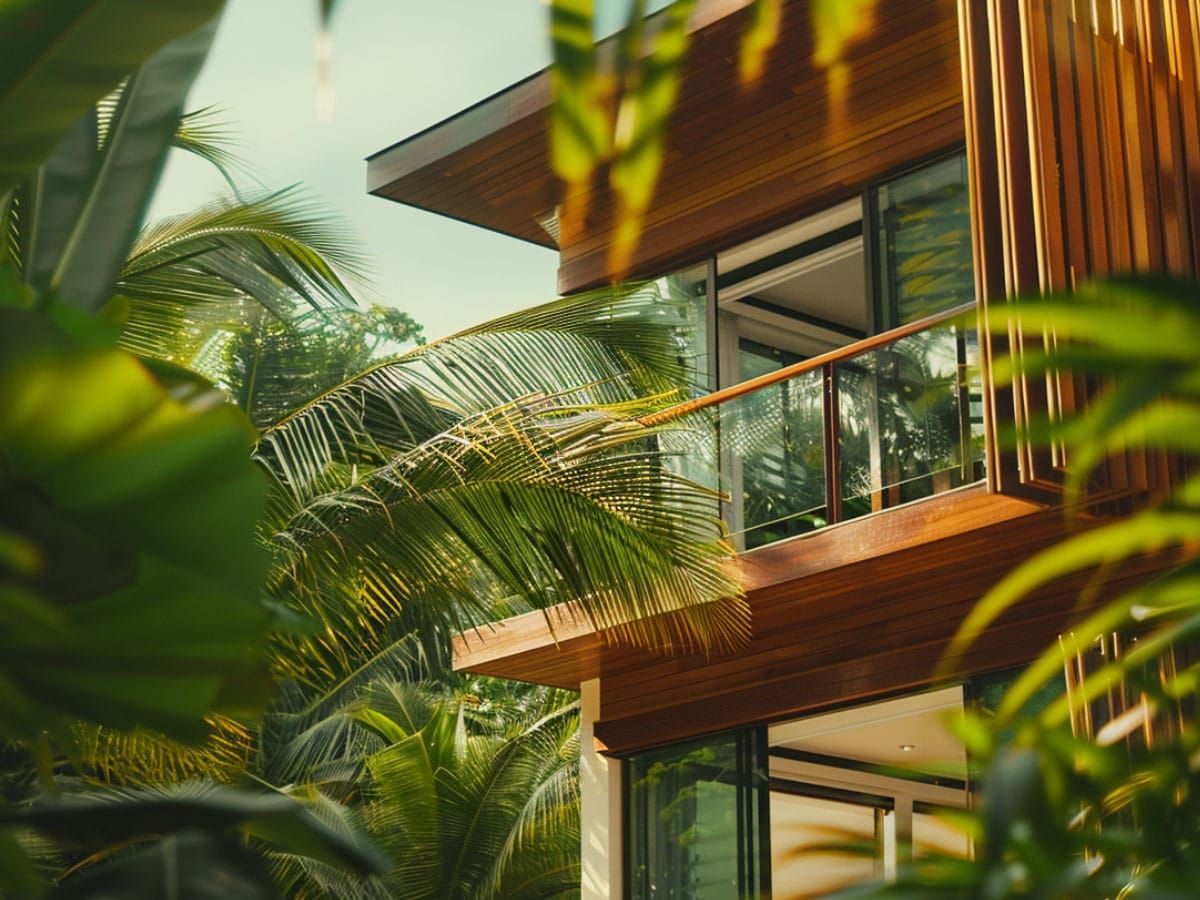
Tamarindo is the first beach town most Americans hear about when they start researching Costa Rica. It is the most developed, the most accessible, and the most divided in opinion among expats who live here. Some people love it. Some people think it lost its soul to tourism and real estate development. Both perspectives have merit, and both describe the same town.
For comparison with other Pacific coast expat towns, see our guide to living in Nosara.
I do not live in Tamarindo. I live in the Central Valley. But I have spent extended time there, I have friends who live there year-round, and I visit regularly enough to know what the Tuesday afternoon version of Tamarindo looks like, not just the Saturday sunset version. This is that Tuesday version.
For the investment and real estate side of Guanacaste, see our Guanacaste real estate market 2026 guide.
Living in Tamarindo: What to Expect
Tamarindo is the most accessible beach town in Costa Rica, one hour from Liberia airport on paved roads. Monthly cost of living for a couple runs $3,500 to $5,500, roughly 30 to 50 percent above the Central Valley. The heat is real and year-round. International schools (CRIA, La Paz) are 30 minutes north. Healthcare is clinic-level in town with the hospital in Liberia (one hour). The expat community is large, established, and English-speaking. Restaurants and services are the best on the Pacific coast. It does not feel like "authentic Costa Rica" and that is either a feature or a bug depending on what you came for.
In This Guide
- What daily life looks like
- Cost of living
- Schools
- Healthcare
- The heat
- The community
- Restaurants and food
- Surfing and activities
- Who it's for
- Who it's not for
- FAQ
What Daily Life in Tamarindo Actually Looks Like
The morning is the best part. You wake up early because everyone does in the tropics. The temperature is manageable before 10 AM. People walk the beach, surf, run, or sit at a coffee shop watching the town come alive. The farmers market on Saturday morning is a genuine highlight.
By late morning, the heat builds. By noon, you are inside or under shade. Errands happen early: grocery shopping at Auto Mercado (the one in nearby Huacas/Flamingo) or the smaller markets in town, banking at BAC or Banco Nacional, hardware store runs.
The afternoon is hot. From December through April, it is dry heat with a persistent wind. From May through November, the rains come in the afternoon, the temperature drops briefly, and the town gets a green season reprieve. Air conditioning is not optional in Tamarindo. Your electricity bill will reflect this.
The evening is when Tamarindo comes alive again. The beach bars fill up at sunset. Restaurants open for dinner. The town has a social energy at night that most Costa Rican beach towns lack.
Cost of Living in Tamarindo
Tamarindo is expensive by Costa Rica standards. Not by California or New York standards, but meaningfully above the Central Valley.
Housing: a 2-bedroom in a gated community or condo development runs $1,500 to $2,800 per month. A 3-bedroom house with a pool runs $2,500 to $4,500. Beachfront or premium ocean-view properties start higher.
Groceries: 20 to 30 percent above Central Valley prices. The Auto Mercado in the Flamingo area is the best full-service grocery store nearby. For specialty items, PriceSmart is in Liberia (about an hour).
Dining out: higher than inland. A dinner for two at a mid-range restaurant runs $40 to $80. At a premium restaurant, $80 to $150. Casual lunch spots run $10 to $20 per person.
Utilities: electricity is the big one. Air conditioning in a 2-bedroom can add $200 to $400/month to your bill. Water is inexpensive. Internet is reliable in most of town ($50 to $80/month for fiber where available).
Transportation: you need a car. There is no functional public transit for daily life. Gas, insurance, and maintenance add $300 to $500/month.
Total monthly budget for a couple: $3,500 to $5,500 depending on lifestyle and housing. For the full comparison to other areas, see our cost of living guide.

Schools Near Tamarindo
Tamarindo itself does not have a large international school. The options are north of town in the Flamingo-Brasilito-Potrero area, about 25 to 35 minutes by car.
CRIA (Costa Rica International Academy) is the most established international school in the region. English-language curriculum, small class sizes, K-12. The commute from Tamarindo is manageable but daily.
La Paz Community School in Brasilito offers a bilingual program with a community-oriented approach. Smaller than CRIA, strong reputation among expat families.
There are also smaller private schools and homeschool co-ops in the area. The school community is tight-knit because it is small, which has both advantages (everyone knows each other) and limitations (fewer options if the fit is not right).
For families with school-age children, the school commute is the main logistical consideration of living in Tamarindo rather than Flamingo or Brasilito, where you would be closer to the schools but farther from Tamarindo's restaurant and social scene.
Healthcare Access in Tamarindo
Tamarindo has private clinics for routine care, minor emergencies, and basic diagnostics. For anything serious, the nearest hospital is in Liberia, about one hour north. CIMA and the major private hospitals are in the Central Valley, about four hours by car.
This is the main healthcare trade-off of coastal living. In Tamarindo, a broken bone or a surf injury gets treated quickly at a local clinic. A cardiac event or a complex surgical need means a drive to Liberia or a transfer to San Jose. For retirees with significant health concerns, this distance matters.
For the full healthcare breakdown, see our guide on healthcare in Costa Rica for expats.
Free. No spam. Unsubscribe anytime.
The Heat: The Honest Version
This section exists because the number one reason expats leave Tamarindo is the heat, and nobody told them how real it would be.
Tamarindo is in Guanacaste, the driest and hottest province in Costa Rica. From December through April, daytime temperatures run 88 to 95 degrees Fahrenheit with low humidity. From May through November, temperatures are slightly lower but humidity climbs significantly.
You will run your air conditioning every day. Your electricity bill will be $250 to $500/month for a typical 2-bedroom. You will plan your outdoor activities around the heat: mornings and evenings outside, midday inside. You will sweat walking to your car. You will learn that the shade side of the street is the only side of the street.
If you love heat, Tamarindo is paradise. If you tolerate heat, it is manageable. If heat wears you down over time, the Central Valley's 70 to 80 degree year-round climate may be a better fit for long-term living.
The Expat Community in Tamarindo
The expat community is large and English-speaking. You can live in Tamarindo and never speak Spanish (though I do not recommend it). There are expat social groups, sports leagues, volunteer organizations, yoga studios, surf schools, and enough fellow English speakers that you will build a social circle quickly if you make the effort.
The demographic skews toward: surf-oriented couples and families, digital nomads, retirees who want beach lifestyle, real estate investors who manage their own properties, and small business owners running restaurants, tours, or services.
The community is friendly but transient. People come and go. Some stay for years. Some leave after one rainy season. The core group of long-term residents is tight-knit. Breaking into that core takes time and showing up consistently.
Where to Eat: Restaurants in Tamarindo
The restaurant scene in Tamarindo is the best on the Pacific coast and arguably the best in Costa Rica outside of San Jose.
The standout is Pangas Beach Club. Right on the beach, beautiful setting, excellent food and drinks. If you live in Tamarindo, Pangas becomes your go-to for a special dinner, a sunset drink, or hosting visitors from home. The atmosphere is exactly what people picture when they imagine living on the beach in Costa Rica, and the quality matches the setting.
Beyond Pangas, the town has strong options across price points: excellent sushi, Italian, seafood, farm-to-table, and casual surf-town eats. The competition among restaurants keeps quality high and drives a food scene that punches well above what you would expect from a small beach town.
Casual lunch spots and sodas (traditional Costa Rican eateries) are available for $6 to $12. The farmers market on Saturday morning has fresh produce, bread, cheese, and prepared foods.
Surfing, Activities, and Weekend Life
Surfing is the heartbeat of Tamarindo. Playa Tamarindo has waves for every level, from beginner foam to intermediate peaks. Playa Langosta, a short walk south, offers a reef break for more experienced surfers. Playa Grande, across the estuary, is a world-class beach break and the home of Leatherback sea turtle nesting.
Beyond surfing: stand-up paddleboarding in the estuary, yoga studios (multiple), CrossFit and gym options, sailing and fishing charters, horseback riding, national park access (Rincon de la Vieja, Santa Rosa), and the Flamingo Marina for boating.
Weekend trips from Tamarindo: Nosara (1.5 hours), Monteverde (3 hours), Arenal (3.5 hours), Nicaragua border (2 hours). The location gives you access to the entire northern half of the country.
Who Tamarindo Is Great For
Active couples and families who want beach lifestyle with the best infrastructure available on the Pacific coast. Digital nomads who need reliable internet and a social community. Surfers who want to live near consistent waves. Retirees who prioritize restaurants, social life, and beach access over quiet and authenticity. Real estate investors who want to be near their rental property and manage it hands-on.
Who Tamarindo Is Not For
People who want "authentic Costa Rica." Tamarindo is touristy and it feels like it. English is everywhere. The prices reflect tourist demand. If cultural immersion is your priority, this is not where you will find it.
Budget-conscious retirees. Tamarindo's cost of living is 30 to 50 percent above the Central Valley. If your retirement budget is under $3,000/month for a couple, the Central Valley or mountain towns are more realistic.
People who cannot handle sustained heat. This is not a light disclaimer. The heat is a lifestyle factor that affects your daily decisions, your energy, your electricity bill, and your long-term happiness.
For how Tamarindo compares to other areas, see our guide on the best places to live in Costa Rica.
Frequently Asked Questions About Living in Tamarindo
How much does it cost to live in Tamarindo?
A couple should budget $3,500 to $5,500 per month for a comfortable lifestyle including housing ($1,500 to $2,800 for a 2-bedroom), groceries, dining out, transportation, utilities (AC is a significant cost), and entertainment. This is 30 to 50 percent above Central Valley costs.
Are there international schools in Tamarindo?
Not in Tamarindo itself. CRIA and La Paz are in the Flamingo-Brasilito area, about 25 to 35 minutes north. The commute is manageable but daily. Some families choose to live closer to the schools and drive to Tamarindo for social activities.
Is Tamarindo safe?
Yes, with standard precautions. The town is well-trafficked and the expat community is established. Petty theft (car break-ins, unattended bags) is the main concern. Lock your car, do not leave valuables on the beach, and be aware of your surroundings at night.
What is the best restaurant in Tamarindo?
Pangas Beach Club is the standout. Right on the beach, beautiful setting, consistently excellent food and drinks. The broader restaurant scene is the best on the Pacific coast, with strong options across all price points and cuisines.
Is Tamarindo too touristy?
For some people, yes. English is widely spoken, prices reflect tourist demand, and the town does not feel like "authentic Costa Rica." For others, the developed infrastructure, restaurant scene, and international community are exactly what makes it livable. Visit for an extended stay before committing.
---

Laura moved to Costa Rica from the US in 2020 with her husband and two kids. She writes for Build Tropical about expat life, raising a family in Central America, and the practical realities of daily life in Costa Rica.