Roof Types in Costa Rica: Every Option Rated, Compared, and Explained
The roof is the most important element of a house in Costa Rica and the one most people spend the least time thinking about.
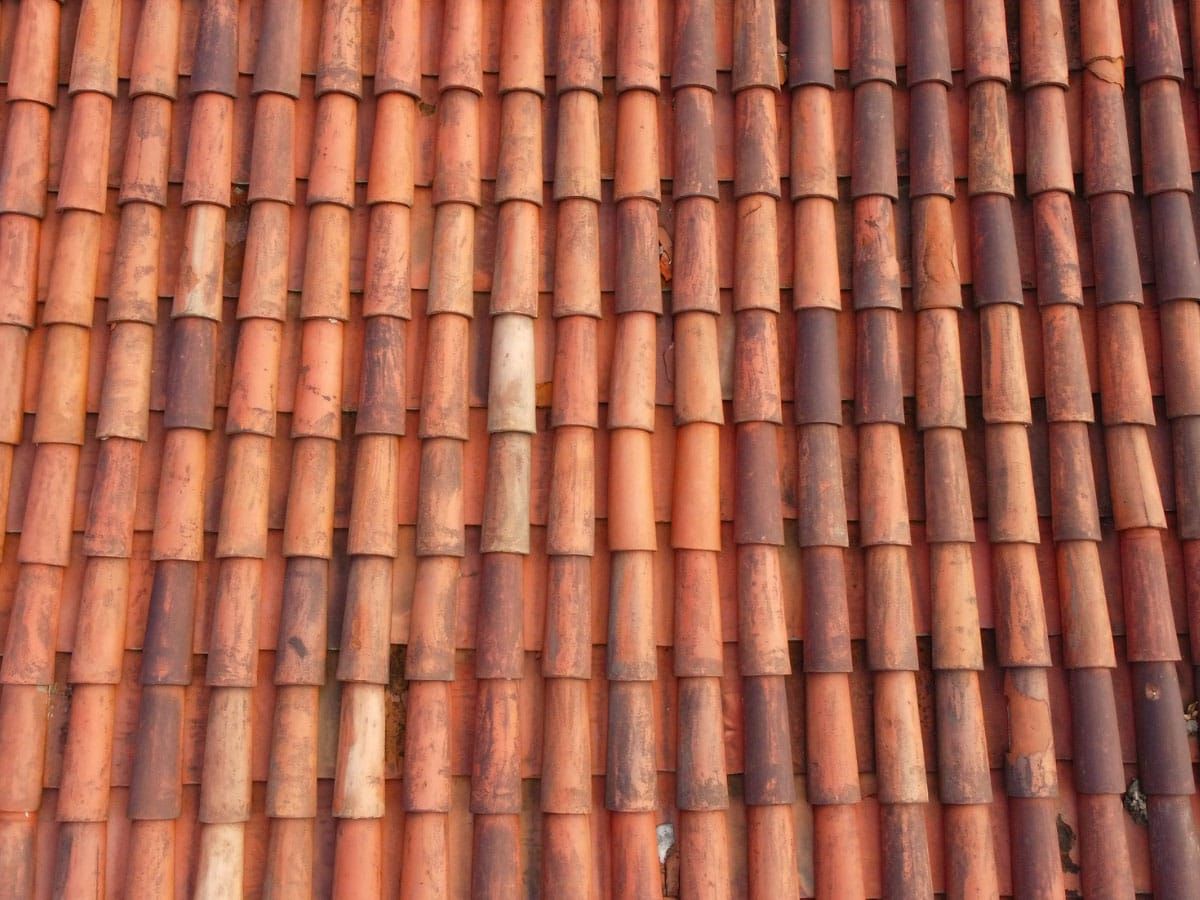
The roof is the most important element of a house in Costa Rica and the one most people spend the least time thinking about. They choose a roof based on how it looks in a rendering. They should be choosing it based on how it performs under 2,500 millimeters of annual rainfall, direct equatorial UV radiation, salt air on the coast, and the occasional person who needs to walk on it to clean a gutter or fix an antenna.
I have designed with every roof type available in this market. Some are excellent. Some are adequate. And some should not be installed on any building I am associated with. This is the honest version — what works, what fails, and what I actually specify on my projects.
For how construction method affects what roof systems are viable on your project, see our best construction method guide.
Roof type comparison — Costa Rica
| Roof type | Rating | Min. slope | Lifespan | Best for |
|---|---|---|---|---|
| Standing seam (w/ backing) | 4.5/5 | 5–8° | 25–40 yr | Residential — best all-around |
| Insulated sandwich panels | 4.0/5 | 8° | 25–35 yr | Noise + thermal — best performer |
| DECRA / Plastimex tiles | 4.0/5 | 12–15° | 30–50 yr | Aesthetic + ventilated assembly |
| TPO membrane | 4.0/5 | 2% | 20–30 yr | Flat roofs — only correct choice |
| Natural thatch | 3.5/5 | 30°+ | 7–12 yr | Outdoor structures only |
| TPO + green roof | 3.5/5 | 2% | 25–40 yr | Hospitality / eco projects |
| Clay tiles | 3.0/5 | 20–30° | 20–35 yr | Colonial aesthetic — wildlife risk |
| Bitumen membrane | 2.5/5 | 5–8% | 10–15 yr | Concealed flat sections only |
| Simple zinc sheet | 2.0/5 | 7–10° | 15–25 yr | Budget / agricultural only |
| Polycarbonate | 0.5/5 | 5°+ | 5–10 yr | Avoid entirely |
| Plastic thatch | 0/5 | 30°+ | 5–8 yr | Environmental disaster — never use |
In This Guide
- Why the roof matters most
- Simple zinc sheet
- Standing seam metal
- Insulated sandwich panels
- Mold-formed metal tiles
- Clay roof tiles
- Bitumen membrane
- TPO flat roof
- TPO with green roof
- Thatch
- Polycarbonate
- Roof color and overhangs
- FAQ
Why the Roof Is the Most Important Design Decision in the Tropics
Every building system — walls, floors, windows, finishes — sits underneath the roof. If the roof fails, everything below it fails. Water infiltration from a compromised roof saturates wall assemblies, corrodes steel connections, swells wood framing, feeds mold, and destroys electrical systems. I have seen $50,000 in remediation costs on houses where a $5,000 roof repair was deferred for two years.
In Costa Rica's climate, the roof manages three forces simultaneously. It sheds 1,500 to 4,000 millimeters of rain annually. It blocks direct solar radiation that would otherwise heat the interior by 10 to 15 degrees above ambient. And it resists UV degradation, salt air corrosion, and wind loads. No single roof type handles all three perfectly. The architect's job is to match the system to the climate zone, the building design, and the budget. For more on how these design decisions connect, see our guide on tropical house design in Costa Rica.
What follows is every roof type you will encounter in Costa Rica, rated honestly.

Simple Ondulated Zinc Sheet (Corrugated or Trapezoid)
This is the most common roofing material in Costa Rica — and across all of Latin America — because it is cheap. You can buy it at any ferretería in the country. It comes in corrugated (ondulado) or trapezoid profiles, usually in lengths around 2.4 meters, and it goes up fast.
The system uses exposed fasteners — screws through the panel face with rubber washers. This is where the problems start. Every screw penetration is a potential leak point. Over time, thermal expansion and contraction loosen the screws. The rubber washers degrade in UV. Leaks develop at the fastener holes, and they develop predictably — you can almost set a clock to it.
Without insulation or backing, the noise in a tropical downpour is extraordinary. A heavy rain on bare zinc sounds like someone drumming on a garbage can directly above your head. The heat transfer is equally bad — a bare zinc roof in direct sun turns the space below into an oven.
This system works for agricultural buildings, bodegas, temporary structures, and budget construction where acoustic and thermal comfort are not priorities. For a home where you plan to live, sleep, or work, bare zinc with exposed fasteners is not a roof I would specify.
Minimum roof inclination: 7 to 10 degrees depending on profile and manufacturer.
Expected lifespan: 15 to 20 years (galvanized), 20 to 25 years (galvalume/AZ coated).
Rating: 2/5 — functional and cheap, but noisy, hot, and leak-prone at fasteners over time.
Standing Seam Metal Roofing
This is my default recommendation for most residential projects. Standing seam uses concealed fasteners — the panels clip to the structure without penetrating the waterproof surface. No holes means no leak points. The raised seams run vertically from ridge to eave with no horizontal joints, so water flows off cleanly even in the heaviest tropical downpour.
The critical detail that most people skip is the backing. A standing seam panel is thin metal — typically 0.45 to 0.55 millimeters. Without a solid substrate (OSB, cement board, or rigid insulation board) behind it, the panel deflects under foot traffic. The next time someone walks on the roof to clean a gutter, fix an antenna, or retrieve a ball, you get dents. Dents in standing seam panels can compromise the seam lock and create future leak points. They also look terrible.
On the type of buildings we design, the backing is always included — it is not optional. But it costs money. The backing adds $8 to $15 per square meter to the roof assembly. Many builders skip it to save that cost, and the client does not know until the first dent appears.
Standing seam in a light color (white, light gray, natural galvalume) with proper backing and a ventilated assembly is the best-performing metal roof system available in Costa Rica. It handles rain, resists corrosion with AZ coating on the coast, and looks clean for decades.
Minimum roof inclination: 5 to 8 degrees (varies by manufacturer and seam profile).
Expected lifespan: 25 to 40 years.
Rating: 4.5/5 — the best all-around metal roof for residential, provided backing is included. Without backing: 3/5.
Insulated Sandwich Panels (Metal + Polyiso Core)
Sandwich panels consist of two metal sheets with a rigid polyisocyanurate (polyiso) insulation core bonded between them. They come in thicknesses from 30 to 100 millimeters, and they solve two problems that bare metal roofs create: noise and heat. The panel costs roughly three to five times more per square meter than a simple zinc sheet — but what you do not spend on backing and separate insulation, you spend here in one integrated product.
The insulation core dramatically reduces the hammering sound of tropical rain. A 50-millimeter sandwich panel turns a deafening downpour into background noise. The thermal insulation reduces heat transfer through the roof by 60 to 80 percent compared to bare metal. And the structural rigidity of the panel — especially in thicker profiles — means you can walk on it without denting it.
The trade-off is aesthetics. Sandwich panels look industrial. The joints are wider, the profiles are bulkier, and the overall appearance reads more as commercial or warehouse than residential. On projects where the roof is visible from living spaces or the street, this matters. On projects where the roof is hidden behind parapets or where the design language is deliberately industrial, it works well.
The other consideration: the attic space is open to the panel. Unlike a batten-mounted system where air can circulate between the roofing and the ceiling, a sandwich panel sits directly on the structure. There is no ventilation gap. In most Costa Rica applications this is fine because the insulation handles the thermal load. But it is a different thermal strategy than a ventilated assembly.
Minimum roof inclination: 8 degrees.
Expected lifespan: 25 to 35 years.
Rating: 4/5 — the best performer for noise and thermal comfort. Loses a point for aesthetics.
Mold-Formed Metal Roof Tiles (DECRA / Plastimex)
These are pressed metal tiles coated with a granular bitumen-stone mix that gives them the appearance and texture of traditional tile or slate. Brands like DECRA and Plastimex offer the most common options in Costa Rica. Most designs look colonial — the classic barrel tile profile — but there are modern flat designs in dark colors that look excellent on contemporary buildings.
The granular surface partially reduces rain noise compared to smooth metal, though not as effectively as a sandwich panel. Thermal performance depends on the installation method. These tiles are laid on a batten system — horizontal wood or metal strips attached to the roof structure. If the battens are installed over a solid backing or with a radiant barrier, the air gap between the tiles and the ceiling creates a ventilated assembly. That ventilation gap is excellent for reducing heat transfer — hot air rises and exits through the ridge, pulling cooler air in at the eaves.
This ventilated batten system is one of the advantages over sandwich panels, where the attic is open to the panel with no air gap. The trade-off is that the tile-on-batten assembly requires more labor and more components.
The granular coating does degrade over time in UV — expect the color to shift and the texture to soften over 15 to 20 years. The metal substrate underneath remains functional much longer.
Minimum roof inclination: 12 to 15 degrees (varies by profile).
Expected lifespan: 30 to 50 years (metal substrate), 15 to 20 years before recoating.
Rating: 4/5 — great aesthetic, good ventilation potential, durable. The modern dark profiles are genuinely beautiful on the right building.
Clay Roof Tiles
Clay tiles are the traditional roofing material for colonial and Mediterranean-style architecture, and they look beautiful — there is no denying that. The thermal mass of clay stores heat slowly and releases it slowly, which buffers interior temperature swings. On a hot day, a clay tile roof keeps the space below several degrees cooler than a metal roof.
Here is the reality in Costa Rica. Clay tiles need to be laid on an ondulated metal sheet underneath because the tile overlaps alone do not seal well enough for the rainfall volumes we deal with. The metal sheet is the actual waterproofing layer. The clay tiles sit on top as a protective and aesthetic layer.
This creates a gap between the tiles and the metal — and in Costa Rica, that gap becomes home to everything. Scorpions, bats, birds, lizards, insects. They hide under the tiles where it is warm and sheltered. If you are uncomfortable with wildlife living in your roof, clay tiles in the tropics will test you.
The tiles themselves are not as durable as European clay tile. The raw material and firing temperatures in Costa Rica produce a tile that is more porous and more prone to cracking than German or Spanish equivalents. Individual tiles need replacing after storms or seismic events, and finding exact color matches for weathered tiles is difficult.
Minimum roof inclination: 20 to 30 degrees.
Expected lifespan: 20 to 35 years (tiles), 15 to 20 years (metal underlayment).
Rating: 3/5 — beautiful but high-maintenance, attracts wildlife, and depends on the metal sheet underneath to actually keep water out.
Bitumen Membrane (Flat Roof)
Bitumen membrane comes in two main types: smooth and gravel-surfaced. Both are applied as the waterproofing layer on flat or low-slope roofs, typically over a concrete slab.
The gravel-surfaced version requires a steeper minimum inclination because the gravel impedes water flow. The smooth version can go flatter but has less UV protection — the bitumen is directly exposed to the sun, and UV makes it porous over time. Both types are tricky to seal at transitions, penetrations, and edges. The seam welding requires skill, and a bad seam is invisible until it leaks.
Bitumen membrane does not look particularly attractive. It is black or dark gray and it shows every imperfection. For this reason, it is mostly used in situations where the roof is not visible — internal gutters, concealed flat sections, or under a gravel ballast or paver system on a roof terrace.
UV degradation is the primary failure mode. Even with UV-protective coatings, bitumen membranes on exposed flat roofs in Costa Rica typically need replacement or recoating every 10 to 15 years. The tropical sun is relentless, and the membrane gets brittle.
Minimum roof inclination: Manufacturers say 2 to 3 percent (smooth) and 3 to 5 percent (gravel-surfaced). Personally, I would not lay bitumen membrane at anything lower than 5 to 8 percent — the margin for error at lower slopes is too thin in a climate with this rainfall intensity, and ponding water on bitumen accelerates every failure mode.
Expected lifespan: 10 to 15 years before significant maintenance or replacement.
Rating: 2.5/5 — functional for specific applications but UV-vulnerable, hard to detail perfectly, and not a long-term solution for exposed roofs.
Most budget blowouts in Costa Rica are locked in long before anyone pours concrete — in the scope you never defined and the number you never pressure-tested. Build Ready is the 70-point checklist, scope worksheet and budget model I use to get that on paper before a client talks to land agents, architects or contractors.
See what is inside Build Ready →TPO Flat Roof Membrane
TPO (thermoplastic polyolefin) is the modern standard for flat roofs in Costa Rica and the system I specify on every flat-roof project. The membrane is heat-welded at seams, which creates a continuous, fully bonded waterproof surface — no mechanical fasteners, no adhesive that can fail, just fused plastic.
TPO comes in different thicknesses — typically 1.2, 1.5, and 2.0 millimeters. Thicker membranes are more puncture-resistant and more durable, but also more expensive and harder to weld at seams. For residential flat roofs, 1.5 millimeters is the standard specification. For roof terraces with foot traffic or green roof applications, 2.0 millimeters is worth the premium.
TPO comes in white, light gray, and other colors. The white version reflects solar radiation efficiently, keeping the roof surface significantly cooler than bitumen. It is UV-stable in a way that bitumen is not — a quality TPO membrane maintains its flexibility and waterproofing integrity for 20 to 30 years without the brittleness that bitumen develops.
The minimum inclination is 2 percent toward drainage points. True flat — zero slope — does not exist on any roof. Every "flat" roof must pitch toward drains, and those drains must be sized for tropical rainfall intensity.
The installation matters enormously. Some contractors install TPO themselves. Others hire specialized roofing companies from San José. The best results — the tightest seams, the cleanest details around penetrations and edges — come from the roofing specialists. They cost more, but the difference in quality is visible and measurable. A TPO roof installed by a general contractor who does it occasionally is adequate. A TPO roof installed by a specialist who does it every day is excellent.
Minimum roof inclination: 2 percent.
Expected lifespan: 20 to 30 years.
Rating: 4/5 — the correct choice for flat roofs. Significantly better than bitumen in every measurable way.
TPO + Green Roof
A green roof is a vegetated roof system installed on top of a TPO membrane — a growing medium with drainage layers, root barriers, and planted surface. It provides thermal insulation (reducing interior temperatures by 5 to 8 degrees), manages stormwater by absorbing rainfall, and creates habitat.
The critical rule: green roofs should only be installed on TPO membrane. Never on bitumen. I know this will be controversial for some builders, but I have seen the results of both, and bitumen under a green roof is not durable or safe enough. The root penetration risk is higher, the seam integrity under sustained moisture is worse, and locating a leak beneath a green roof on bitumen — which means removing the entire growing medium to access the membrane — is an expensive nightmare. TPO seals better, lasts longer, and gives you a reliable waterproofing base that you can trust under a system you cannot easily inspect.
The structural load is significant. A saturated growing medium weighs 80 to 150 kilograms per square meter. The structure must be engineered for this from the start — you cannot add a green roof to a building that was not designed for the weight.
The drainage system must handle both the dry season (the plants need irrigation) and the rainy season (the system needs to drain fast enough to avoid overload). Specific drainage mats, filter fabrics, and overflow systems are part of the assembly.
Minimum roof inclination: 2 percent (same as TPO base).
Expected lifespan: 25 to 40 years (system), ongoing plant maintenance required.
Rating: 3.5/5 — beautiful, excellent thermal performance, environmentally impressive. Loses points for cost, structural requirements, and maintenance complexity. Best suited for hospitality or eco-focused projects, not standard residential.
Thatch Roofs (Natural and Plastic)
I need to separate these because they are fundamentally different things.
Natural Thatch (Palm Frond)
Natural thatch — properly harvested and installed palm fronds on a teak or hardwood frame — is beautiful for outdoor structures. A well-built rancho or palapa with a quality thatch roof is one of the most pleasant spaces you can build in the tropics. The natural ventilation is unmatched. The aesthetic is authentic.
For outdoor structures — pool ranchos, covered terraces, restaurant dining areas — natural thatch works well. The open sides allow airflow that keeps the thatch dry between rains. In practice, most thatch roofs have an ondulated zinc sheet underneath as the actual waterproofing layer — the thatch sits on top as the aesthetic and shade layer. Without the zinc, heavy wind-driven rain penetrates the thatch. The lifespan of the thatch itself is 7 to 12 years before rethatching is needed. Rethatching costs roughly 60 to 70 percent of the original installation.
I do not recommend natural thatch as the primary roof on a house. Fire risk, insect maintenance (palm weevils), and the 7 to 12 year replacement cycle make it impractical for a primary structure.
Expected lifespan: 7 to 12 years.
Rating: 3.5/5 for outdoor structures only. Not rated for primary buildings.
Plastic Thatch
Plastic thatch — synthetic panels made to look like palm fronds — is an environmental disaster. These are plastic sheets that shed microplastics into the soil and water every time it rains. They degrade in UV, becoming brittle and releasing particles continuously throughout their lifespan. They look cheap. They sound cheap in the rain. And every piece of plastic thatch that goes on a roof in Costa Rica eventually ends up as microplastic pollution in the ecosystem.
I consider plastic thatch worse than most construction materials from an environmental standpoint. At least WPC panels (wood-plastic composite) are contained underfoot. Plastic thatch is overhead, exposed to UV and rain, actively shedding microplastic into the environment for years. It should be regulated. The fact that it is not does not make it acceptable.
Rating: 0/5. Do not install this on any building. Use natural thatch or choose a different roof type entirely.
Polycarbonate Roofing (Transparent Panels)
Polycarbonate panels are transparent or translucent plastic sheets used to cover terraces, carports, and walkways. They are marketed as a way to get natural light under a roof without giving up rain protection.
In practice, they are terrible. They leak at the connections — polycarbonate expands significantly with temperature changes and the joints open up. They turn yellow and become opaque within two to three years of UV exposure. The space below them is brutally hot because the transparent surface provides zero solar shading — you get the greenhouse effect in full force. They look cheap from the day they are installed and worse every year after.
Even for terraces — the application they are most commonly sold for — I would not use polycarbonate. A simple zinc or standing seam roof extension provides better rain protection, better aesthetics, and lasts five times longer. If you want natural light under a covered terrace, use clerestory openings in a solid roof, not a transparent panel.
Expected lifespan: 5 to 10 years before significant degradation.
Rating: 0.5/5 — low-grade plastic that leaks, yellows, overheats, and looks terrible. Avoid.
Why Roof Color Matters More Than You Think
A light-colored roof reflects solar radiation. A dark-colored roof absorbs it. The temperature difference on the roof surface between a white and dark roof on a sunny afternoon can exceed 30 degrees Celsius.
That heat conducts through the roof assembly and radiates into the rooms below. A dark metal roof without insulation can raise interior temperature by 8 to 12 degrees above what a light-colored roof would produce. Over a year, this translates to hundreds of dollars in additional air conditioning costs.
There is no good reason to use a dark roof in Costa Rica unless the architect has designed a fully insulated assembly that breaks the thermal path. Even then, light colors perform better thermally.
That said, most of our projects use darker colors regardless — charcoal, dark gray, deep green. The reason is landscape. A white or silver roof on a hillside in Guanacaste reflects light and stands out against the green canopy like a signal mirror. A dark roof blends into the environment and is more respectful to the overall look of the landscape. When you are building in a tropical setting surrounded by forest, the visual impact of your roof from above and from a distance matters — and a dark roof that disappears into the treeline is a better neighbor than a bright one that announces itself.
The trade-off is real. We compensate for the thermal penalty with proper insulation — sandwich panels, rigid foam backing, or ventilated assemblies that prevent the heat from reaching the interior. If you are going dark, the insulation is not optional. Budget for it. But if the choice is between a thermally efficient white roof that scars the landscape and an insulated dark roof that belongs in it, we choose the one that belongs.
Roof Overhangs: The Detail That Matters Most
No roof material — no matter how premium — compensates for inadequate overhangs. Minimum 1 meter on all sides. 1.5 to 2 meters on west and south faces where rain and sun exposure are greatest. The overhang protects walls, windows, and the building envelope from both water and UV. For more on this, see our tropical house design guide.
For a full breakdown of construction costs including roofing, see our cost of building guide.
Frequently Asked Questions About Roofs in Costa Rica
What is the best roof type for a house in Costa Rica?
Standing seam metal with backing in a light color is the best all-around choice for most residential projects. If noise reduction and thermal comfort are priorities, insulated sandwich panels are the best performer. For aesthetic impact with good performance, mold-formed metal tiles (DECRA type) on a ventilated batten system offer an excellent balance.
How long does a metal roof last in Costa Rica?
Standing seam with galvalume or AZ coating lasts 25 to 40 years. Insulated sandwich panels last 25 to 35 years. Simple ondulated zinc sheet lasts 15 to 25 years depending on coating quality. All metal roofs last longer with light colors and in locations away from direct salt air exposure.
Can you have a flat roof in Costa Rica?
Yes, with TPO membrane at a minimum 2 percent slope toward drainage points. TPO is the correct material for flat roofs — it outperforms bitumen membrane in durability, UV resistance, and seam integrity. Budget for specialist installation for the best results.
Why are light-colored roofs better in Costa Rica?
A light-colored roof reflects solar radiation instead of absorbing it. The surface temperature difference between a white and dark roof can exceed 30 degrees Celsius on a sunny day. This directly reduces interior temperatures, lowers air conditioning costs, and extends the life of the roofing material.
Should I use polycarbonate for my terrace roof?
No. Polycarbonate panels leak at connections, yellow within two to three years, create a greenhouse effect, and look cheap. Use a solid metal roof extension with clerestory openings if you want natural light under a covered terrace.
---

Matt is an architect based in Costa Rica who designs and builds residential and hospitality projects. He writes about construction, design, and the realities of building in the tropics at Build Tropical.